
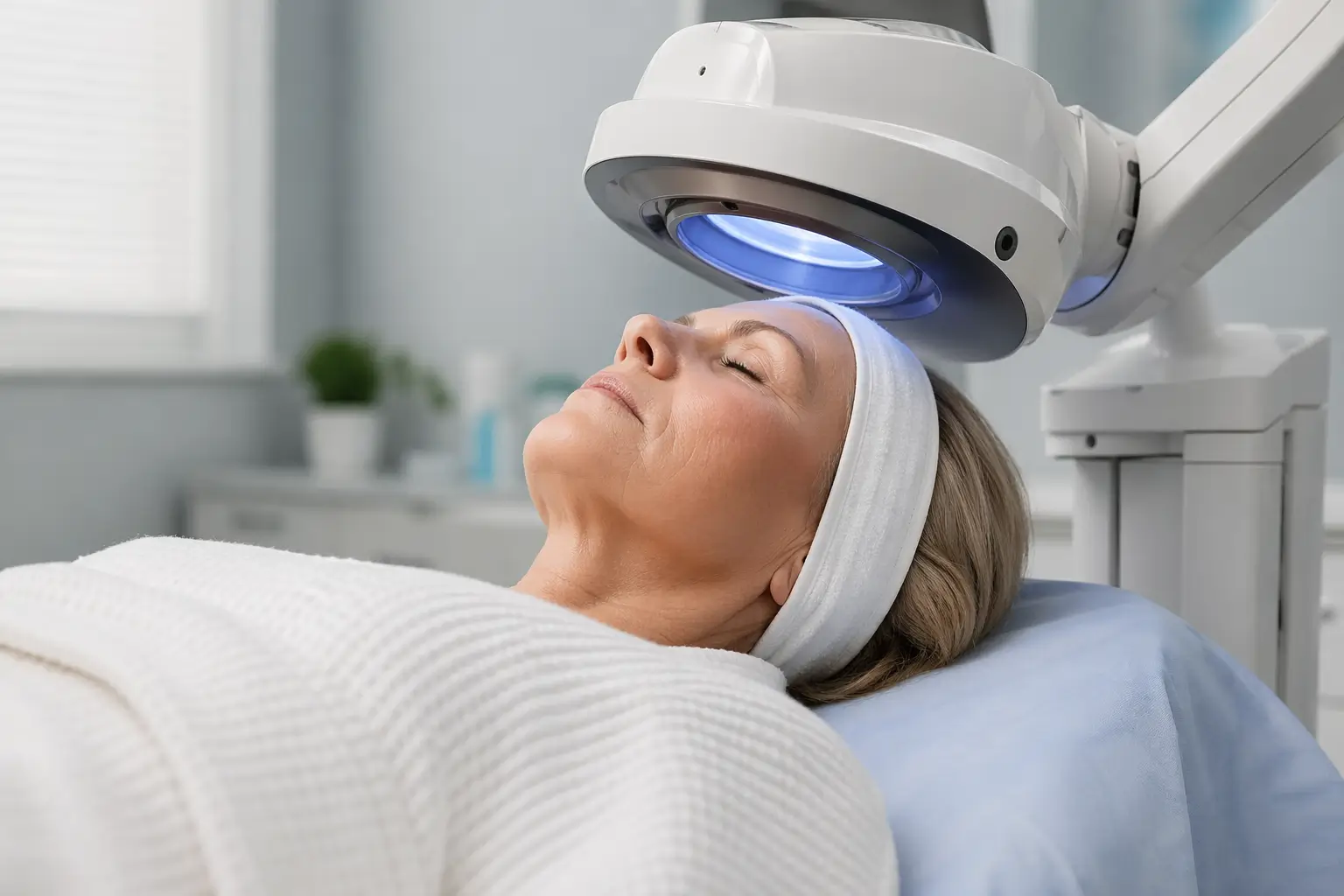
Superficial Radiation Therapy: A Modern, Non-Surgical Solution for Skin Cancer
Skin cancer is the most common form of cancer in the United States, affecting millions of people every year. While traditional treatments like surgical excision remain highly effective, many patients are now turning to Superficial Radiation Therapy (SRT) as a non-invasive alternative.
At Lone Star State Dermatology Clinic, we are committed to offering advanced, patient-centered treatments that prioritize both effectiveness and comfort—and SRT is one of the most promising options available today.
Request an AppointmentWhat Is Superficial Radiation Therapy (SRT)?
Superficial Radiation Therapy is a non-surgical treatment that uses low-energy X-rays to target and destroy cancerous skin cells. Unlike deeper radiation therapies used for internal cancers, SRT focuses only on the outermost layers of the skin, making it especially effective for treating:
- Basal Cell Carcinoma (BCC)
- Squamous Cell Carcinoma (SCC)
- Certain benign skin conditions (in select cases)
Because SRT does not penetrate deeply into the body, it minimizes damage to surrounding healthy tissue while effectively eliminating cancer cells.
Why Patients Choose SRT
1. Non-Invasive Treatment
No cutting, no stitches, and no surgical recovery time. SRT is ideal for patients who want to avoid surgery or are not good surgical candidates due to age, medical conditions, or medications.
2. Excellent Cosmetic Results
Because there is no incision, SRT typically results in little to no scarring, making it especially appealing for visible areas like the face, neck, and hands.
3. Painless Procedure
Most patients report little to no discomfort during treatment. Sessions are quick and well-tolerated.
4. High Cure Rates
SRT has demonstrated cure rates comparable to surgical methods for certain types of non-melanoma skin cancers when used appropriately.
5. Convenient Treatment Schedule
Treatments are typically administered over several sessions, often just a few minutes each, allowing patients to maintain their daily routines.
What to Expect During Treatment
At Lone Star State Dermatology Clinic, your SRT journey is designed to be smooth and personalized:
Consultation & Diagnosis
A board-certified dermatologist evaluates your skin and confirms whether SRT is the best option for your condition.
Customized Treatment Plan
The number of sessions and radiation dosage are tailored to your specific diagnosis and skin type.
Treatment Sessions
Each session lasts only a few minutes
No anesthesia is required
You can return to normal activities immediately
Follow-Up Care
Our team monitors your progress closely to ensure optimal healing and results.
Who Is a Good Candidate for SRT?
You may be an ideal candidate if you:
- Have early-stage basal or squamous cell skin cancer
- Prefer a non-surgical treatment option
- Have health conditions that make surgery risky
- Want to avoid scarring in highly visible areas
- Are taking blood thinners or medications that complicate surgery
A consultation at Lone Star State Dermatology Clinic will determine the best course of action for your individual needs.
Benefits vs. Surgery: A Balanced Perspective
| Feature | SRT | Surgery |
|---|---|---|
| Invasiveness | Non-invasive | Surgical |
| Scarring | Minimal to none | Possible |
| Treatment Time | Multiple short sessions | Usually one procedure |
| Recovery | Immediate | Several days to weeks |
| Effectiveness | High for select cancers | Gold standard for many cases |
Both approaches are highly effective—choosing the right one depends on your medical history, cancer type, and personal preferences.
Why Choose Lone Star State Dermatology Clinic?
At Lone Star State Dermatology Clinic, we combine clinical expertise with cutting-edge technology to deliver exceptional dermatologic care.
Our team prioritizes:
- Personalized treatment plans
- Patient education and transparency
- Advanced, evidence-based therapies
- Compassionate, patient-first care
We take the time to ensure you feel confident and informed at every step of your treatment journey.
Frequently Asked Questions (Q&A)
Is Superficial Radiation Therapy safe?
Yes. SRT has been used for decades and is considered a safe, FDA-cleared treatment when administered by trained professionals.
How long does each treatment session take?
Most sessions last 10–15 minutes, making it easy to fit into your daily schedule.
How many treatments will I need?
Treatment plans vary, but most patients require 15–30 sessions over several weeks.
Will I feel pain during the procedure?
No. SRT is generally painless. Some patients may experience mild skin irritation similar to a sunburn afterward.
Are there side effects?
Side effects are usually mild and may include redness, dryness, or slight irritation in the treated area. These typically resolve quickly.
Does insurance cover SRT?
Many insurance plans, including Medicare, may cover SRT for medically necessary treatments. Our office can help verify your coverage.
Is SRT better than surgery?
Not necessarily—it depends on your specific case. SRT is an excellent alternative for patients who prefer non-surgical treatment or are not good surgical candidates.
Can skin cancer come back after SRT?
While recurrence is possible with any treatment, SRT has high cure rates when used appropriately and monitored regularly.
Is there downtime after treatment?
No downtime is required. You can resume normal activities immediately after each session.
How do I know if I’m a candidate?
The best way is to schedule a consultation with a dermatologist at Lone Star State Dermatology Clinic.