
Allergy Testing: A Complete Guide to Understanding, Diagnosing, and Managing Allergies
Allergies affect millions of people each year, causing symptoms that range from mild irritation to severe, life-threatening reactions. If you’ve ever experienced persistent sneezing, itchy skin, unexplained rashes, or breathing difficulties, allergy testing may be the key to identifying the root cause.
At Lone Star State Dermatology Clinic, we specialize in accurate, reliable allergy testing to help patients find relief and regain control of their health.
Request an AppointmentWhat Are Allergies?
Allergies occur when your immune system overreacts to a normally harmless substance, known as an allergen. These allergens can include pollen, pet dander, certain foods, medications, insect stings, or environmental factors like dust mites and mold.
When exposed, your body releases chemicals such as histamine, leading to symptoms like:
- Sneezing and nasal congestion
- Itchy or watery eyes
- Skin rashes or hives
- Swelling
- Shortness of breath
Understanding what triggers your symptoms is the first step toward effective treatment.
Why Allergy Testing Matters
Without proper testing, identifying the exact cause of allergic reactions can be challenging. Allergy testing provides:
- Accurate diagnosis of specific allergens
- Targeted treatment plans
- Prevention strategies to avoid triggers
- Improved quality of life
At Lone Star State Dermatology Clinic, we use advanced diagnostic methods to pinpoint your allergies and develop a personalized care plan.
Types of Allergy Testing
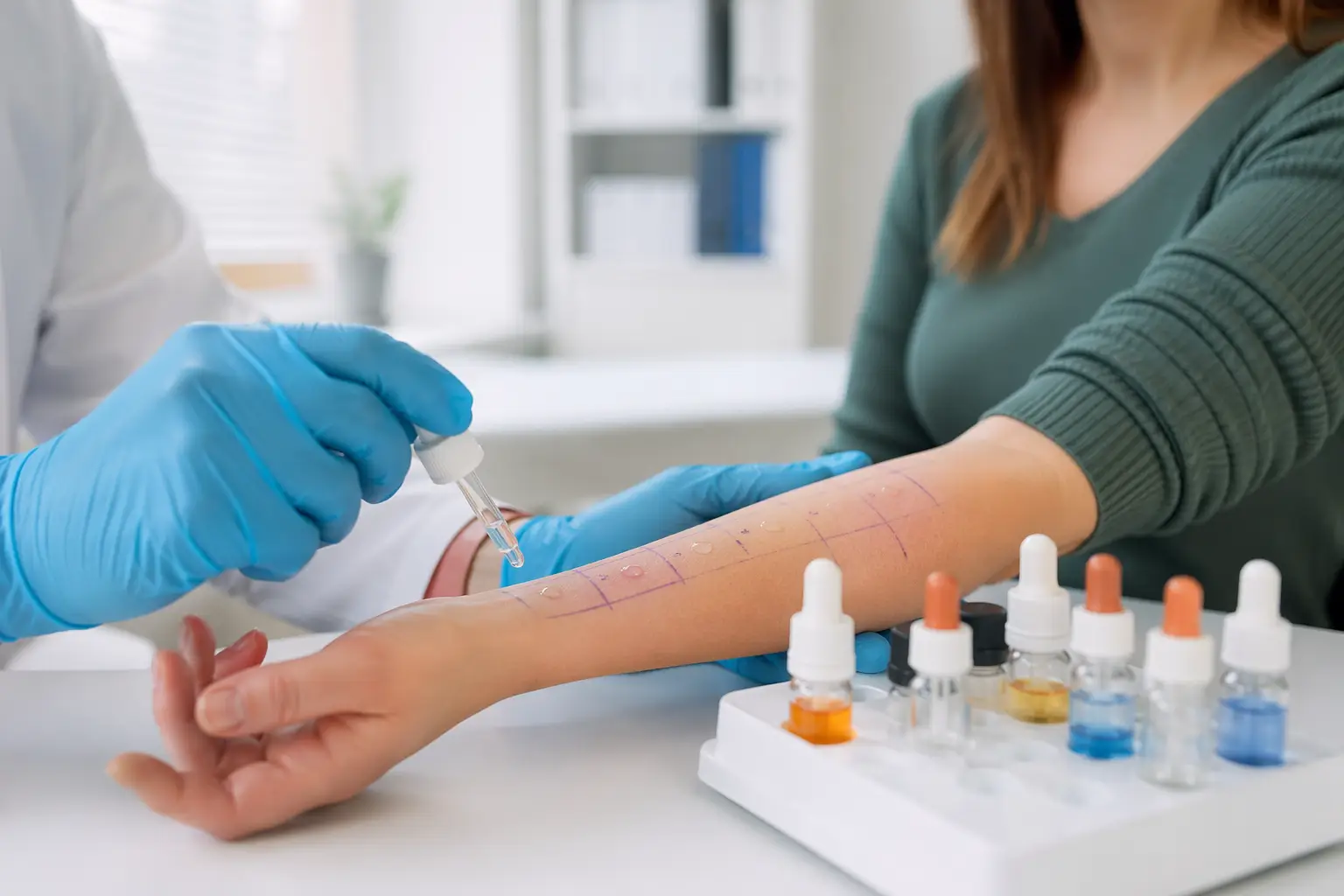
1. Skin Prick Testing
This is one of the most common and effective methods. Small amounts of allergens are applied to the skin, typically on the forearm or back, and gently pricked. If a reaction occurs (redness or swelling), it indicates sensitivity.
2. Patch Testing
Patch testing is especially useful for identifying contact dermatitis. Allergens are applied to patches and placed on the skin for 24–48 hours to observe delayed reactions.
3. Blood Testing (IgE Testing)
Blood tests measure the immune system’s response to specific allergens. This option is ideal for patients who cannot undergo skin testing.
4. Intradermal Testing
A small amount of allergen is injected just under the skin. This test is more sensitive and often used when skin prick tests are inconclusive.
Conditions Allergy Testing Can Help Diagnose
- Eczema (Atopic Dermatitis)
- Contact Dermatitis
- Chronic Hives (Urticaria)
- Seasonal Allergies (Hay Fever)
- Food Allergies
- Medication Reactions
Benefits of Professional Allergy Testing
Choosing a qualified dermatology clinic ensures:
- Safe and controlled testing environment
- Accurate interpretation of results
- Customized treatment options
- Access to advanced therapies
At Lone Star State Dermatology Clinic, our experienced team prioritizes patient comfort and precision in every test we perform.
Treatment Options After Diagnosis
Once allergens are identified, treatment may include:
- Avoidance strategies
- Prescription medications (antihistamines, corticosteroids)
- Immunotherapy (allergy shots)
- Skincare regimens for allergy-related conditions
Our goal is not just diagnosis—but long-term relief and prevention.
Frequently Asked Questions (Q&A)
What is the best type of allergy test?
The best test depends on your symptoms and medical history. Skin prick tests are commonly used, but your provider may recommend blood or patch testing for more specific cases.
Is allergy testing painful?
Most allergy tests involve minimal discomfort. Skin prick testing feels like a small pinch, while patch testing is painless.
How long does allergy testing take?
Skin tests typically provide results within 15–30 minutes. Patch testing may take 2–3 days for full results.
Are allergy test results accurate?
Yes, when performed by trained professionals, allergy tests are highly accurate and reliable.
Can children undergo allergy testing?
Absolutely. Allergy testing is safe for children and can help identify triggers early.
Do I need to stop medications before testing?
Some medications, especially antihistamines, may need to be paused before testing. Your provider will give specific instructions.
What should I do if I test positive for an allergy?
Your provider will create a personalized treatment plan, which may include avoiding triggers, medications, or immunotherapy.
Can allergies develop later in life?
Yes, allergies can develop at any age—even if you’ve never had symptoms before.
Is allergy testing covered by insurance?
Many insurance plans cover allergy testing. It’s best to check with your provider for specific coverage details.